
Cases covered in this chapter: A113, A111, A70, R001
Discounted debt investing is not only about what visibly changes on the screen. It is also about the legal, procedural, and strategic work happening underneath the formal stage label, and about how that work affects timing, pricing, leverage, and exit opportunities.
That is exactly why we created this series. “Discounted Debts: Behind the Flow” is designed to place our community closer to the perspective of a professional debt buyer. In the institutional market, case updates are not judged only by the visible step in a workflow. They are judged by what has been achieved, what uncertainty has been reduced, what leverage has improved, and how that changes the path to exit. Through this series, we want to share that same structured way of looking at discounted debts in a clear and investor-friendly format.
We also believe this is especially important as Indemo continues preparing for the future Secondary Market environment. The more investors understand how mortgage NPLs are assessed and priced in real market conditions, the more confident they can become when evaluating opportunities, building a strategy, and understanding how different cases may evolve over time.
How the legal process is linked to the value of the debt as an asset
A key idea from Chapter 1 is worth repeating before we move into the new cases.
In Spanish mortgage NPL investing, the main risk is often not whether foreclosure is possible at all. The core variable is usually timing. In other words, what most directly affects outcomes is how long the case takes to move through the legal system, and how that timeline influences both the investor’s expected return and the debt’s market value as an asset.
That is why certain stages carry much more importance than they may appear to at first glance.
The core risk in mortgage NPL investing: timing, not enforceability
Mortgage loans are a foundation of the national banking system in Spain and are safeguarded by strict legislation and established court practice. In addition, mortgage NPLs are always backed by a real residential collateral asset — a property that doesn’t simply “disappear,” which is exactly why enforceability is typically not the core question.
The key variable that drives outcomes is timing — how long the case takes to resolve, and how that timeline affects the expected return.
Why appeal and opposition stages matter so much
Professional debt buyers pay particularly close attention to opposition and appeal-related milestones. These stages can take time, but they are also major turning points.
Once a debtor’s opposition has already been dismissed by the court, the case often becomes materially stronger from the creditor’s perspective. At that point, remaining uncertainty often shifts more toward timing than toward the basic enforceability of the claim itself. This is important because that change can improve the creditor’s leverage, strengthen the likely exit path, and make the debt more attractive both in continued foreclosure and in alternative scenarios such as out-of-court settlement or sale on the institutional secondary market.
It is also important to remember that while delays can be frustrating, they do not necessarily mean that the asset is becoming weaker. In many cases, the opposite can be true. As time passes, the outstanding debt amount usually increases through default interest and legal or servicing costs, while the underlying real estate value may also appreciate over time. That combination can improve the debt’s profile from a pricing perspective, especially where the earlier acquisition was made with a sufficient PTV and PTD buffer.
This chapter focuses on four cases that illustrate these principles from different angles. Three of them show why winning against opposition and moving into or through appeal-related dynamics is often a meaningful step forward, even if the case still appears within the same broad stage family. The R001 case shows why important progress can continue even after the auction has already been completed, while the court is reconciling and distributing the proceeds. Also the time spent until the auction allows the real estate price to increase over time, boosting the asset's profitability potential.
What’s been achieved
In the sections below, we’ll break down what has been achieved in each case — what actions were taken, why they were necessary, and how they increase asset value by providing actual asset metrics (which are not currently visible on the platform) and support the next steps toward the most effective exit scenario.
R001 Apartment in Palafrugell
Current Status: Claiming Court-Ordered Payment (Step 16) - Since December 15, 2025
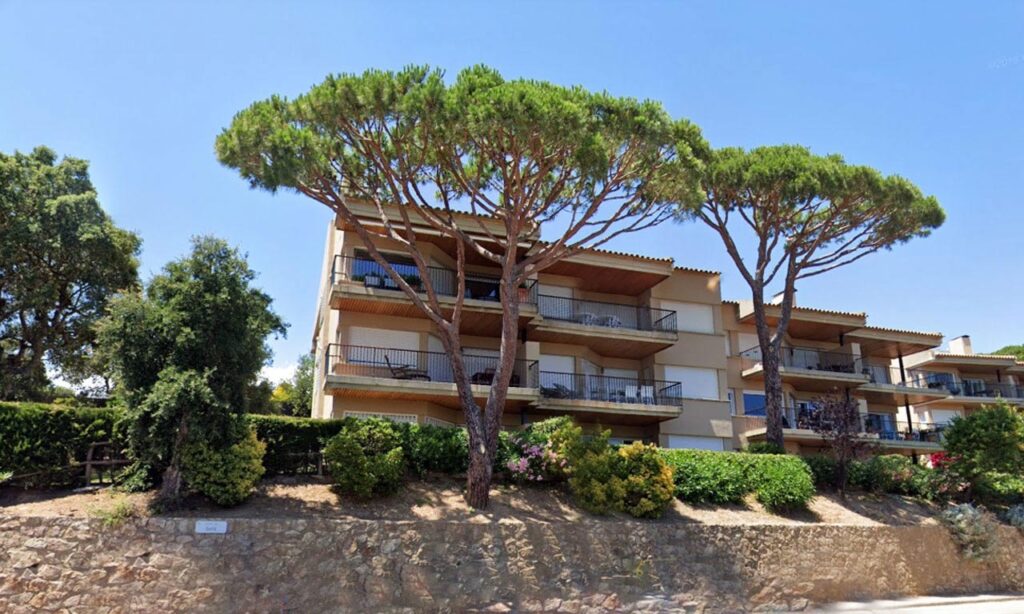
| Metric | Initial | Actual |
|---|---|---|
| PTV | 49% | 43.8%* ▲ |
| Re Value (Re-evaluation Model) | 480 000 EUR | 538 405 EUR* ▲ |
| PTD | 69.0% | N/A*** |
| Debt Amount | 340 511 EUR | N/A*** |
Key achievements
On the platform, R001 is currently at Claiming Court-Ordered Payment (Step 16). This reflects a very concrete advancement: the auction was successfully completed in November 2025, the highest bidder won, and the purchaser already deposited funds with the court on February 23, 2026.
This is a significant late-stage achievement because the case is no longer about reaching auction or overtaking the possession of the property. That part has already been completed successfully. The case is now in the court-administered payment phase, where the court must verify the file, reconcile the final payable amounts, and authorise the transfer of proceeds to creditors. Another positive aspect is that the real estate value increased from its initial value at the time the case was listed on the platform, and this increase was validated by the highest bid submitted by the winning purchaser.
In other words, meaningful progress has already happened even though the funds are not yet in the creditor’s account. The case has already moved through the decisive auction event and into the final judicial payment mechanics.
What to watch next
The next formal step is for the court to complete the reconciliation of the final payable amounts and issue the payment order to the servicing company as a creditor, with a subsequent settlement with Indemo investors. Usually, it takes around 3-6 months, depending on the court load, since the funds were deposited with a court by the purchaser.
Repayment Update May 6th 2026
The debt was repaid to Indemo investors through a sale at the foreclosure auction.
Read more: https://indemo.eu/blog/r001-apartment-in-girona-repayment
A70 House in Cartagena
Current Flow Stage: Auction Preparation (Step 10) - Since April 29, 2025
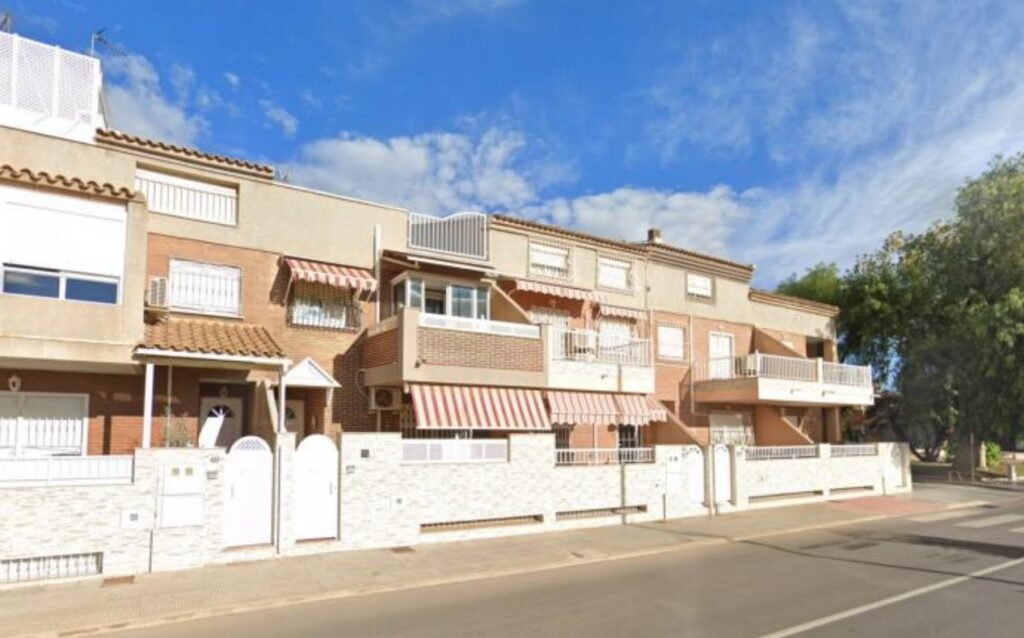
A70 House in Cartagena: First listed: June 24, 2024
| Metric | Initial | Actual |
|---|---|---|
| PTV | 59.6% | 55.3%* ▲ |
| RE Value Re-evaluation Model | 209 855 € | 226 039 €* ▲ |
| PTD | 78.8% | 61.7%** ▲ |
| Debt Amount | 158 540 € | 202 534 €** ▲ |
Key achievements
As we mentioned earlier the debtor can initiate opposition or appeal on any procedural flow step while the case is in court, up to the moment when the auction is completed. This was a case for A70. The debtor filed an opposition in 2025, the court ruled in favour of the creditor that the debtor’s opposition had to be disregarded and that the foreclosure should move forward on the terms stated in the claim.
This is a major procedural step. It means the creditor has already passed one of the most important court checkpoints in the recovery path. Although the debtor filed a constitutional complaint on the court ruling “recurso de amparo constitucional” at the end of 2025, this is a typical debtor's tactic with a view to just delaying the foreclosure and eviction process, and this complaint will likely be dismissed by the higher court, because the first-instance court ruled in favour of the creditor.
From an asset perspective, this is important because the debt amount continues to increase over time, while the legal work completed so far preserves the path toward continued foreclosure once the complaint is resolved. The actual asset metrics indicate a significant improvement in both PTV and PTD over this period, while the wider discounts made the opportunity even more attractive, creating additional return potential despite the extended timing.
What to watch next
The next formal step is the designation of the appellate court, which will make the decision on the constitutional complaint.
When the complaint is resolved in favour of the creditor, the case should return to the first-instance court, and foreclosure can continue from a stronger procedural position. The strengthened legal position of the creditor, following the overruling of the debtor’s opposition, may also facilitate alternative exit routes, particularly an out-of-court settlement or a sale on the institutional secondary debt market. This is especially important as it increases pressure on the debtor, given that the outstanding debt amount may soon exceed the value of the mortgaged real estate.
A113 House in Anoreta
Current Flow Stage: Appeal (Step 9) - Since April 15, 2024

A113 House in Anoreta: First Listed: April 10, 2024
| Metric | Initial | Actual |
|---|---|---|
| PTV | 38.0% | 35.5%* ▲ |
| RE Value Re-evaluation Model | 274 303 € | 296 182 €* ▲ |
| PTD | 70% | 54.7%** ▲ |
| Debt Amount | 150 000 € | 191 895 €** ▲ |
Key achievements
On the platform, the case appears in the Appeal stage (Step 9). The case has already advanced into a formally admitted appellate proceeding initiated by the debtor, after he lost the initial opposition: the appeal was admitted by the higher court, and a judge has been designated as of July 2025, and the creditor’s legal team was admitted into the proceeding.
This matters because the case is no longer sitting at the earlier opposition stage without structure. The procedural path is now clearly defined, the creditor’s position is formally represented in the appeal, and the case is waiting for the next concrete court action rather than remaining in open-ended uncertainty.
From an asset perspective, this is important because the debt amount continues to increase over time, while the legal work completed so far preserves the path toward continued foreclosure once the appeal is resolved. The actual asset metrics indicate a significant improvement in both PTV and PTD over this period, while the wider discounts made the opportunity even more attractive, creating additional return potential despite the extended timing.
What to watch next
The next formal milestone is the resolution of the appeal hearing.
When the appeal is resolved in favour of the creditor, the case should return to the first-instance court and foreclosure can continue from a stronger procedural position. The strengthened legal position of the creditor, following the overruling of the debtor’s opposition, may also facilitate alternative exit routes, particularly an out-of-court settlement or a sale on the institutional secondary debt market. This is especially important as it increases pressure on the debtor, given that the outstanding debt amount may soon exceed the value of the mortgaged real estate.
A111 Apartment in Benidorm
Current Flow Stage: Appeal (Step 9) - Since June 25, 2024
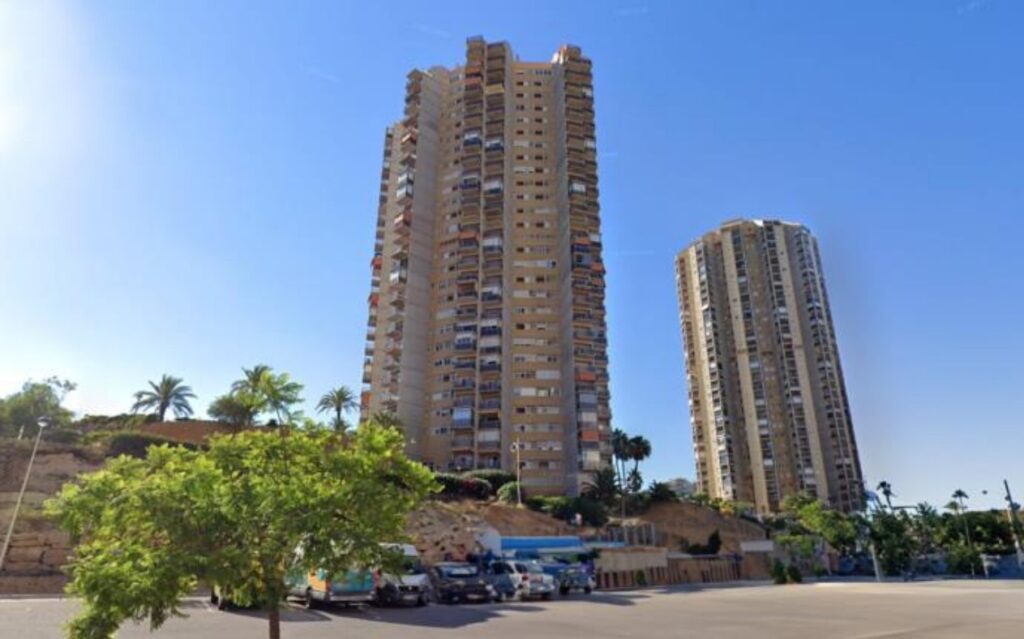
A111 Apartment in Benidorm: First Listed: June 26, 2024
| Metric | Initial | Actual |
|---|---|---|
| PTV | 64.0% | 59.7%* ▲ |
| RE Value Re-evaluation Model | 276 775 € | 296 445 €* ▲ |
| PTD | 50.1% | 40.5%** ▲ |
| Debt Amount | 353 220 € | 436 767 €** ▲ |
Key achievements
On the platform, the case appears in the Appeal stage (Step 9). One of the most important legal hurdles has already been cleared: the debtors opposed the foreclosure, but the first-instance court ruled in favour of the creditor that the foreclosure should continue and disregarded their opposition.
This is a meaningful strengthening of the creditor’s position. The case is no longer simply waiting to see whether the debtor’s opposition will succeed. The debtors have then taken the matter upward by requesting appellate review, but the opposition itself has already been defeated.
Operationally, all judicial stakeholders officially confirmed the subrogation in 2025, meaning the case has also moved to the servicing company from the previous creditor. That means the servicing and legal position is now more directly established for the next phase.
From an asset perspective, this is important because the debt amount continues to increase over time, while the legal work completed so far preserves the path toward continued foreclosure once the appeal is resolved. The actual asset metrics indicate a significant improvement in both PTV and PTD over this period, while the wider discounts made the opportunity even more attractive, creating additional return potential despite the extended timing.
What to watch next
The next formal step is the designation of the appellate court, which will make the decision on the appeal.
When the appeal is resolved in favour of the creditor, the case should return to the first-instance court, and foreclosure can continue from a stronger procedural position. The creditor’s strengthened legal position, following the overruling of the debtor’s opposition, may also support alternative exit routes, particularly an out-of-court settlement or a sale on the institutional secondary debt market. This is especially relevant as it increases pressure on the debtor, given that the outstanding debt has already surpassed the value of the mortgaged real estate.
Bottom line
The cases above show that successfully passing the appeal/opposition stage can materially strengthen the creditor’s position, shorten the expected time to exit, and clear the way for the final foreclosure steps. This also makes the asset more attractive to potential buyers, supporting a higher market price.
At the same time, Indemo’s purchasing and pricing model includes a substantial buffer (via PTV/PTD boundaries) and is designed to withstand even a worst-case timeline of up to five years without compromising the product’s target return. The current revaluation metrics provided for the selected debts above support this assessment. Moreover, ongoing housing market dynamics and the continued increase of the outstanding debt amount over time further strengthen the long-term profit potential of discounted debt as an asset class.
As Indemo CEO Sergejs notes,
"It’s important to remember that mortgage NPLs are fundamentally different from unsecured consumer or business credit: they are always backed by real residential collateral in Spain, and the product is supported by an institutional-grade pricing model, further strengthened by the long-term fundamentals of the Spanish housing market.
We are already seeing two clear approaches emerge among investors who have gone deeper into the product — strategies that will become even more practical once the Indemo Secondary Market is live:
- - Early-stage claims: deeper discounts and higher upside, often driven by settlement potential and alternative exits before the full recovery flow is completed.
- - Late-stage claims: lower discounts (higher PTV) but reduced timing risk, often leading to faster recoveries.
And finally, it’s worth repeating the core strategic principle shared by Indemo and our partners: maximize possible profit within the shortest realistic timeframe. If the only goal were the absolute shortest timeline at any cost, the return profile would naturally be weaker."
A Quick Recap
PTV (Price-to-Value) shows the purchase price of a debt relative to the appraised value of the underlying property.
PTD (Price-to-Debt) shows the purchase price relative to the outstanding debt amount. It is equally important because it reflects how the purchase price compares to what is contractually owed.
* Real estate value is not static. Markets such as Spain have shown long-term upward pressure, and our assumptions typically model ~4% p.a. on average (with variability by region and cycle). This is a deliberately conservative assumption when viewed against long-term housing price statistics over the last ~30 years.
** In most mortgage NPL cases, the claim amount increases as default interest accrues and legal/servicing fees are added. These figures are calculated and recorded by the legal team regularly (typically monthly).
*** Not applicable at this stage, as the auction has already been completed, no further legal costs or fees are accruing, and the court is currently reconciling the final amount payable to the creditor’s servicing partner.
Stay tuned for the next Discounted Debts: Behind the Flow episodes to explore the background of the selected cases!
Please share your comments and thoughts:
what you’re most excited about, what you want to see next, and what would make the biggest difference for your investing experience.
Stay Updated on Indemo News:
📢 Telegram - Exclusive Indemo Community Chat featuring key Indemo stakeholders
📷 Instagram- Weekly content, Meet the Team, Weekly Stories
🎥 YouTube - Podcasts, expert insights, quarterly reviews, and giveaways
This content is a marketing communication. It shall not be treated as investment advice, independent research or offer, recommendation or invitation to invest in the investment opportunities referred to herein. The content is not aimed at promoting services or products to persons based in jurisdictions where the distribution of said information would be illegal.
Investing in financial instruments involves risk, and there’s no guarantee that investors will get back invested capital. Moreover, past performance does not guarantee future returns. Indemo SIA shall not be responsible for any direct or indirect loss from using the provided information.