
How Indemo helps borrowers reduce their financial burden in practice
At Indemo, many of our clients and partners are interested not only in financial performance, but also in the social responsibility behind the NPL asset market. There is a growing trend among investors to think beyond pure return generation and to consider how capital is used, especially in areas where financial outcomes intersect with real-life situations.
We recognize that NPLs are not only a financial instrument, but also a social and human process that affects real people and real situations.
One of the most common questions we receive is: what exactly is an NPL, and how can debt resolution be approached in a fair and constructive way for all parties involved?
What Is an NPL?
An NPL, or Non-Performing Loan, is a loan where a borrower, either an individual or a company, has stopped meeting their repayment obligations under the loan agreement. After a certain period defined by law and banking regulations, the loan is officially classified as non-performing. At this stage, the creditor may begin legal procedures aimed at recovering the debt.
Across Europe and many other markets, banks often sell NPL portfolios to licensed institutional investors rather than waiting for court proceedings and asset auctions to finish. These transactions are typically carried out at a discount, as the buyer takes on the legal, operational, and financial risks associated with recovering the asset.
The non-performing loan market has long been part of the financial system. Like any other segment of the economy, the NPL market includes both buyers and sellers, and it operates within the broader logic of a capitalist financial system, where different actors seek to manage risk and generate returns from available assets.
What Happens When a Borrower Stops Paying?
When a borrower stops repaying, they often quickly find themselves in a difficult financial situation. The debt continues to grow due to penalties, accrued interest, and legal costs.
In many cases, by the time an NPL is acquired, the total amount owed already exceeds the value of the collateral securing the loan. This means that even if the property is sold, it may still not be enough to fully repay the debt. At the same time, additional costs can keep increasing, making it even harder for the borrower to recover financially.
From the creditor’s side, there is also a responsibility to recover funds on behalf of its stakeholders, including depositors and other clients whose capital is exposed to credit risk. This is why creditors often proceed through formal legal channels, which may eventually lead to a public auction of the property securing the loan.
Taken together, this puts the borrower under pressure from multiple sides: a growing debt burden, the risk of losing their property, and formal legal recovery processes initiated by the creditor.
Why Are Collateral Assets Often Sold Below Market Value?
Assets sold through judicial auctions are often purchased below market value, typically at around 75–85% of their estimated price.
This happens because the buyer cannot usually take immediate possession or use of the property after purchase. Additional legal steps, possession transfer processes, repairs, and administrative costs are often involved.
If the auction proceeds are not enough to cover the full debt, the creditor may continue legal action to recover the remaining balance. In some jurisdictions, this can include claims against other assets or a portion of the debtor’s future income.
INDEMO’s Approach to Social Responsibility
Banks and institutional investors participate in the NPL market for clear economic reasons: to recover value, reduce balance sheet exposure, and use capital more efficiently. In this context, distressed debt becomes another financial instrument that can be priced, traded, and managed like other asset classes.
Within this market framework, different participants operate under different mandates and investment objectives, which naturally shapes how recovery strategies are designed and carried out.
At Indemo, we structure investments in a disciplined way. We focus on financial returns and proper risk management, as you would expect from any market-based strategy. At the same time, we try to stay practical when it comes to resolving cases. If there is a workable solution early on, we prefer not to escalate the situation further than necessary.
The goal is to keep things efficient and avoid making the process more complicated than it needs to be.
The return “appetite” of the investment structure is defined by the target returns set for Indemo investors, rather than by an open-ended goal to maximise recovery at any cost. In practice, this means that once the target return range is reached, there is a natural preference for negotiated and more efficient solutions, rather than long enforcement processes.
Within this framework, cases entering the ecosystem are typically those where a realistic pathway to resolution exists through restructuring, settlement, or asset sale. This does not eliminate enforcement as a legal option, but in practice, resolution strategies are usually focused on reaching an agreement where possible.
As a result, the overall approach is more flexible and focused on negotiation. It aims to balance investor returns with practical outcomes for borrowers. The goal is to reach fair and efficient solutions for both sides, while also helping cases close faster within the investment process.
1. Offering Debt Reduction and Settlement Solutions
After acquiring an NPL, INDEMO’s partners in Spain first try to agree a solution with the debtor. The goal is to reach an agreement without going into formal legal procedures if possible.
This may include:
- reducing a portion of the outstanding debt;
- stopping further penalty accumulation;
- restructuring repayment conditions;
- allowing the debtor sell the property on the open market at market price, with penalties and additional costs temporarily paused to reduce time pressure on the borrower;
- offer the debtor relocation assistance, providing temporary financial support to help them rent alternative housing and rebuild their financial position
- and creating a sustainable path toward resolution.
In these cases, the debt amount is adjusted to become lower than the value of the collateral, helping the borrower avoid a situation where repayment becomes practically impossible.
2. Writing Off Debt Above Collateral Value
INDEMO’s policy which is also followed by our cooperation partners in Spain is to remove the portion of debt that exceeds the value of the collateral. This principle applies both in negotiated settlements and in cases resolved through legal procedures.
Importantly, if the collateral is sold and the sale amount does not fully cover the debt, INDEMO does not continue pursuing the remaining balance through additional asset seizures or income claims, which makes Indemo different from other types of creditors, usually trying to reach the maximum monetisation from the asset.
The reason for this is that the investment structure is designed around a target return for Indemo investors. Once that target return is achieved, there is no need to go beyond it and extract additional value. The idea is to avoid making the recovery process long and to keep things simpler and less financially difficult for the borrower than they need to be.
This approach gives debtors an opportunity to move forward without carrying a long-term financial burden.
A Constructive Ecosystem for Debt Resolution
Our goal is to create solutions that are fair, transparent, and economically sustainable for all parties involved.
Therefore, within the INDEMO ecosystem, borrowers facing financial distress receive a real opportunity to:
- significantly reduce their financial obligations;
- avoid long legal disputes;
- protect remaining assets;
- and resolve their situation in a faster and more constructive way.
In practical terms, borrowers working with INDEMO often end up paying significantly less than the total amount owed on the original distressed loan, including interest, penalties, and other costs that have been added over time.
Below are a few examples of how this works in practice:
R008 – Apartment at Gran de Sant Andreu ⭐

The exit scenario was an Out-of-Court settlement. A resolution was reached directly with the debtor, followed by the successful sale of the property on the open market. The property sale price is slightly lower than the property’s appraisal value, as the servicing company needed to settle and satisfy other outstanding creditors of the debtor as part of the settlement, enabling the sale to go through. Here the social responsibility policy element is reflected, as while Indemo investors refinancing the debt and earning appealing two digits returns, the debtor was fully recharged from the excessive debts above 370 000 euro, and now can start his life from the clean page. This outcome underscores the efficiency and flexibility of Indemo’s settlement strategies in maximizing returns while minimizing legal risks.
Source: https://indemo.eu/blog/sixth-discounted-debt-repayment-of-2025
J051 – House in Aznalcázar, Sevilla

This repayment was achieved through an out of court settlement.
The settlement was achieved as the debtor was pushed by the significant debt amount, more than three times higher than the pledged property, realising that the new creditor's foreclosure claim was accepted and processed by the court. Through a settlement where the debtor brought an interested buyer for the property.
Within the settlement, the buyer purchased the property (in poor condition and requiring renovation), thereby allowing the debtor to be released from excessive debt, while the servicing company secured the sale proceeds to settle with investors in line with the targeted return.
This outcome is a strong example of how alternative recovery methods can deliver efficient results and timely investor outcomes, without relying solely on the full court-driven process.
Source: https://indemo.eu/blog/2nd-repayment-of-2026-on-indemo
R099 – Apartment in Barcelona
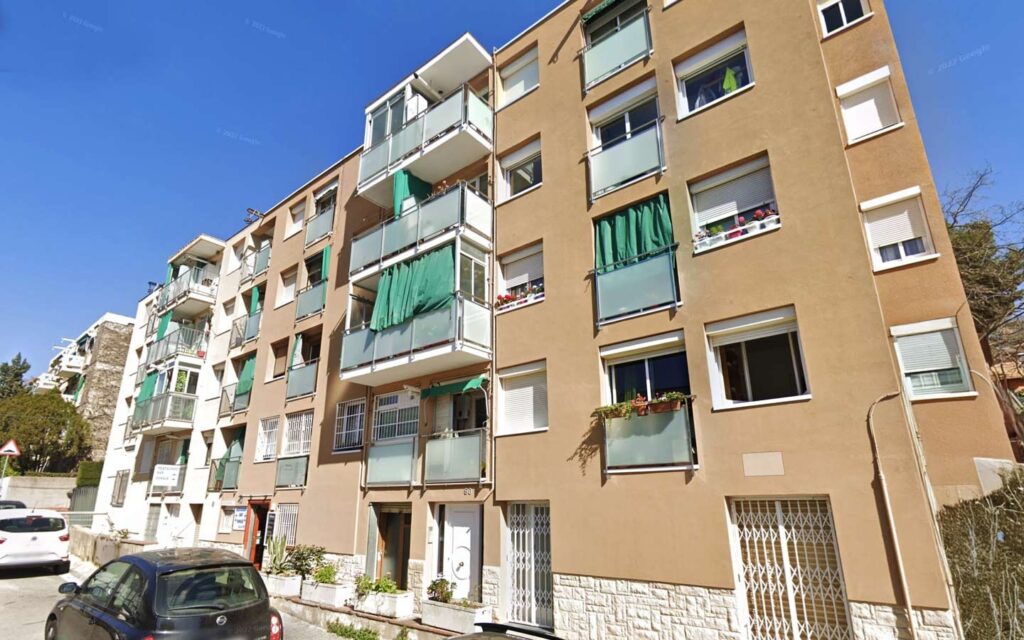
This repayment was facilitated through an out-of-court settlement, which is the priority scenario for the servicing company. In this case, the debtor’s outstanding liabilities exceeded the value of the mortgaged real estate. To prevent the completion of the full foreclosure process resulting in the excessive debt, the debtor expressed interest in reaching a settlement and engaged a potential buyer for the property, leading to a mutually beneficial settlement. Following the sale, the debtor was released from the excessive unsecured portion of the debt, but Indemo investors gained their two-digit high earnings.
Source: https://indemo.eu/blog/eighth-discounted-debt-repayment-of-2025
R005 – Apartment at Baronessa de Malda
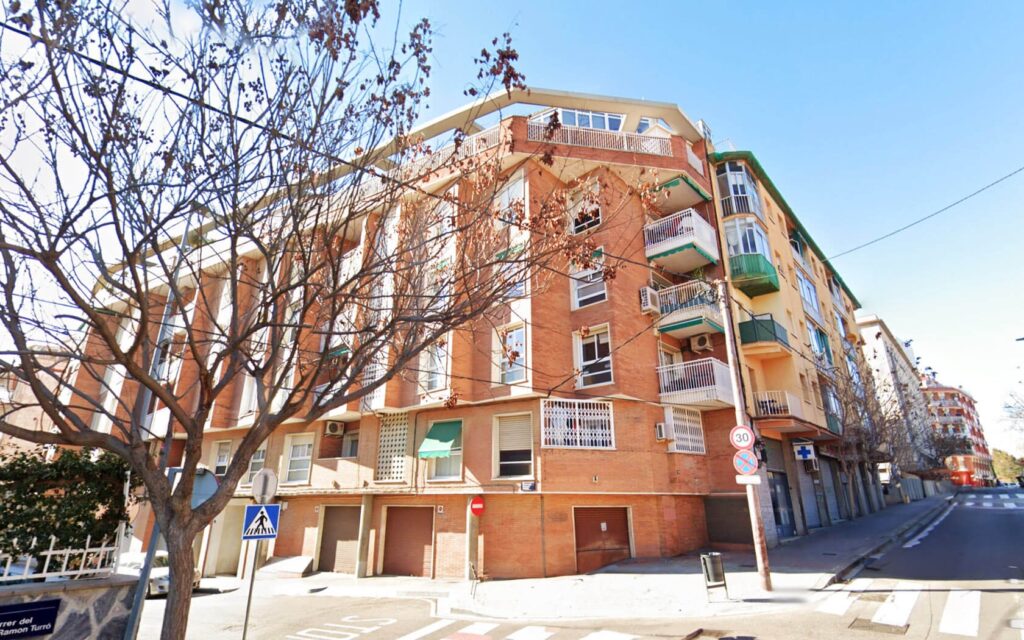
The R005 repayment was completed through a combination of a sale on the institutional secondary market and an out-of-court settlement. In this case, the debtor had identified a buyer interested in acquiring the underlying real estate and was looking to transfer the debt. A third party was willing to refinance the obligation and settle the outstanding balance with the debtor separately.
After assessing the situation, the servicing company has concluded that a full legal process was not necessary, as it might erode the return on investment. This hybrid approach allowed for both market execution and a negotiated resolution, resulting in an efficient and timely recovery.
The R005 case highlights the strength of Indemo’s offered Discounted Debts' flexible recovery model and its ability to adapt to real-time circumstances to protect investor returns. As was previously described in the Investors Academy, the servicing company focuses on alternative recovery strategies to deliver faster results while keeping the target ROI.
Source: https://indemo.eu/blog/fourth-discounted-debt-repayment-of-2025
Download the Indemo app 📱
Our mobile app is now available on the App Store and Google Play, making it easier to stay connected to your portfolio wherever you are.
Download IOS (App Store) | Download Android (Google Play)
Check out Indemo’s Key Socials:
📢 Telegram - Exclusive Indemo Community Chat featuring key Indemo stakeholders
📷 Instagram - Weekly content, Meet the Team, Weekly Stories
🎥 YouTube - Podcasts, expert insights, quarterly reviews, and giveaways
This content is a marketing communication. It shall not be treated as investment advice, independent research or offer, recommendation or invitation to invest in the investment opportunities referred to herein. The content is not aimed at promoting services or products to persons based in jurisdictions where the distribution of said information would be illegal.
Investing in financial instruments involves risk, and there’s no guarantee that investors will get back invested capital. Moreover, past performance does not guarantee future returns. Indemo SIA shall not be responsible for any direct or indirect loss from using the provided information.